Kadifekale

Kadifekale: Izmir’s Hilltop Castle

A Brief Overview of Kadifekale

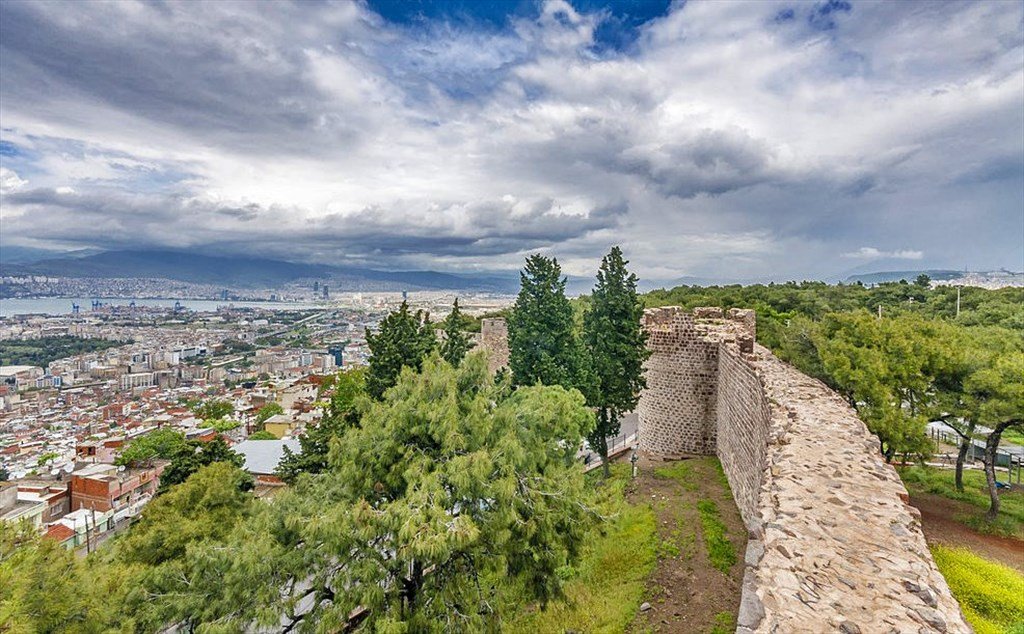
Kadifekale, a historic castle perched atop a hill overlooking Izmir, is one of the city’s best-known landmarks. This ancient fortress has witnessed the rise and fall of numerous civilizations, leaving a lasting mark on Izmir’s history. Kadifekale serves not only as a military structure but also as a cultural hub and a vantage point with panoramic views of the city and the Aegean Sea.

History and Significance
The earliest traces of human settlement at Kadifekale date back to the 4th century BC. Believed to have been constructed by Lysimachus, one of Alexander the Great’s generals, the castle’s strategic location made it a vital defensive stronghold for Izmir. Throughout the Hellenistic, Roman, Byzantine, and Ottoman periods, Kadifekale played a crucial role in the city’s defense.

Beyond its military function, the castle also served as a civilian settlement, with cisterns, churches, and mosques among its structures. Restored by Fatih Sultan Mehmet in the 15th century, the castle remained an important defensive position under Ottoman rule.

Why Is It Significant?
Strategic Location: Its commanding position overlooking Izmir Bay made it a crucial defensive stronghold.
Multicultural Heritage: The castle bears the marks of various civilizations, reflecting the city’s multicultural history.
Panoramic Views: It offers wide views of Izmir and the Aegean Sea.
Historical Role: Kadifekale has witnessed numerous historical events and played a pivotal role in the city’s development.

What to See and Do Today
Kadifekale is one of Izmir’s most popular tourist destinations. Today, visitors can explore:

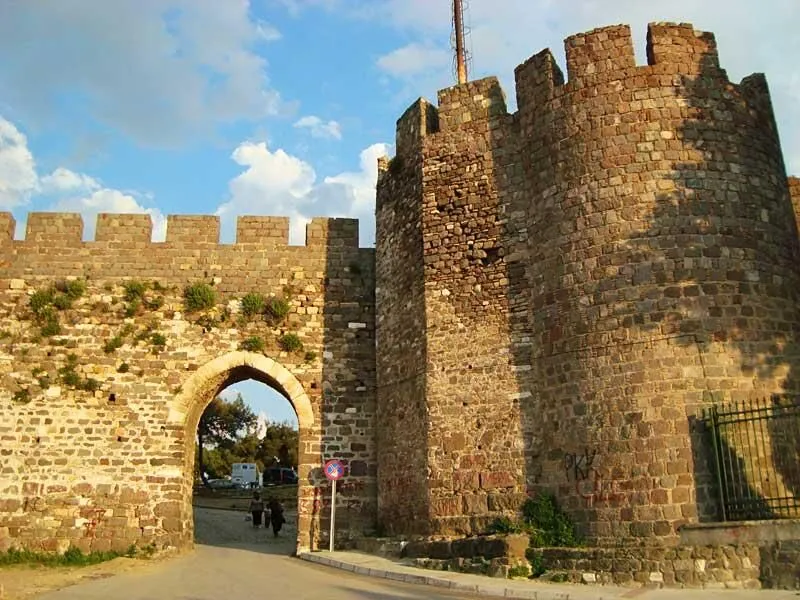
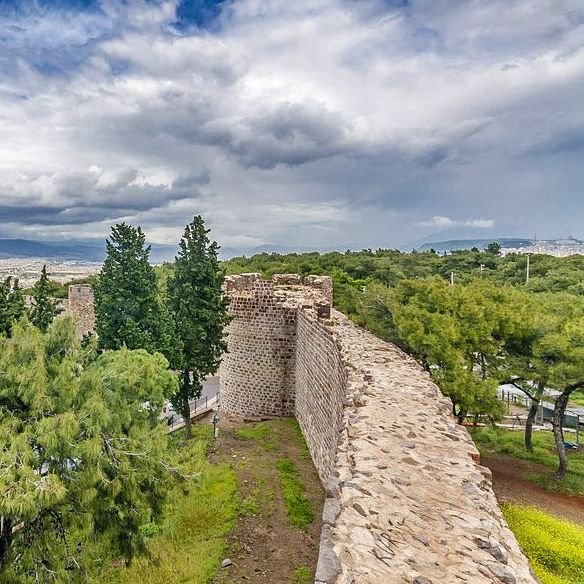
Castle Walls: Walk along the historic walls and enjoy panoramic views.
Cistern: Discover the ancient cistern that once supplied the castle with water.
Historical Ruins: Explore the remains of structures from different periods.
Observation Points: Find many spots with views of the city and the sea.
The castle has been restored by Izmir Metropolitan Municipality and is now a cultural center, hosting various events, concerts, and art exhibitions.

Why Visit Kadifekale?
Immerse Yourself in History: Step back in time and explore a historic fortress.
Enjoy Panoramic Views: Take in the sights of Izmir and the Aegean Sea.
Experience Local Culture: Participate in cultural events and festivals held at the castle.
Relax and Recharge: Escape the city’s hustle and bustle and enjoy a peaceful retreat.

Conclusion
Kadifekale is more than just a historical site; it’s a symbol of Izmir’s long and diverse history. Whether you’re a history buff, a nature lover, or simply seeking a memorable experience, Kadifekale is well worth a visit.

Visiting Kadifekale: practical information

Kadifekale stands atop Mount Pagos at an elevation of 186 meters in the Konak district of central Izmir. From Konak Square, the most practical way to reach the entrance gate is a short taxi ride or municipal ESHOT bus line 33, as the uphill streets are steep and winding. If arriving from Izmir Adnan Menderes Airport, about 16 to 18 kilometers south, take the IZBAN commuter train or a taxi to the city center first. Most visitors need 45 to 60 minutes to walk the outer walls, view the underground cistern, and look out across the Gulf of Izmir.

Spring and autumn provide clear skies and mild temperatures on the exposed hilltop. Plan your visit for mid-morning or late afternoon during full daylight, and wear sturdy flat shoes for the uneven cobbles and stone steps. Admission to the castle grounds is free of charge, so no entry ticket or Museum Pass Turkiye is needed. The site is open daily following municipal restoration work on the ramparts. Check Izmir Metropolitan Municipality announcements before you go for current visiting hours and local market days.

History and what to see

According to the ancient writer Pausanias, Alexander the Great fell asleep under a plane tree on Mount Pagos while hunting, and the goddesses Nemeseis instructed him in a dream to move the city of Smyrna to these slopes. Added to the UNESCO World Heritage Tentative List in 2020 as part of the Historical Port City of Izmir, the fortress contains several distinct features:

  • Hellenistic and Medieval Ramparts: First laid out in the late 4th to early 3rd century BC on foundations of rough-hewn stone, the upper walls and five surviving western towers reflect rebuilds after the 178 AD Roman earthquake, Byzantine reinforcements, and repairs after Timur's 1402 siege.
  • Vaulted Byzantine Cistern (Sarnic): Near the center of the enclosure sits a subterranean water reservoir roofed with brick arches and supported by stone columns, built to supply the citadel during sieges.
  • 14th-Century Masjid Ruins: Beside the cistern stand the stone walls of a small mosque dating back to the period after Aydinoglu Mehmet Bey captured the fortress in 1317.
  • Pagos Producer Market: Within the restored grounds, local women operate seasonal stalls selling handwoven textiles and regional food products.

Nearby places to combine

Sitting directly above central Izmir, the citadel pairs naturally with downtown waterfront stops or a broader historical route south of the city.

  • Izmir Clock Tower: Located downhill at Konak Square, this 1901 landmark is a quick taxi or bus ride from the castle gate and connects the ancient acropolis with the modern civic center.
  • Izmir Kordon: Stretching along the gulf shoreline that you can see from the castle ramparts, the promenade is an ideal place to unwind at a seaside cafe after descending from Mount Pagos.
  • Ephesus: Located south of Izmir in the Selcuk district, this classical city was also relocated and fortified by Alexander's general Lysimachus in the same era, making it a fitting same-day historical pairing by car.

Kadifekale compared with other Izmir region landmarks

PlaceTypeTime neededBest forEntry
KadifekaleAncient hilltop citadel45 to 60 minutes186-meter gulf views and cisternFree
Izmir Clock TowerOttoman clock tower20 to 30 minutesKonak Square architectureFree
Izmir KordonWaterfront promenade1 to 2 hoursFlat seaside walks and cafesFree
EphesusClassical archaeological siteHalf dayHellenistic and Roman monumentsTicket

Frequently asked questions

Is Kadifekale worth visiting in Izmir?

Yes, standing 186 meters above sea level on Mount Pagos, it offers the widest elevated view over the entire Gulf of Izmir and the modern city skyline. History enthusiasts can also inspect Hellenistic foundation stones, five medieval towers, and a vaulted Byzantine cistern.

Is it safe to walk up to Kadifekale from Konak Square?

Walking uphill from the city center is steep, unshaded, and passes through maze-like residential backstreets where visitors can easily lose their way. Taking a taxi or municipal bus 33 from Konak directly to the main castle gate and visiting during daylight hours is the recommended approach.

How much does entry to Kadifekale cost?

Entry to Kadifekale is free for both local and international visitors. You do not need to buy a ticket or present a Museum Pass Turkiye at the gate.

How long should I plan for a visit to Kadifekale?

Plan on 45 to 60 minutes inside the fortress walls. That gives you plenty of time to walk to the observation terraces facing the bay, look inside the subterranean Byzantine cistern, and browse the local craft stalls when open.

When is the best time of day to visit Kadifekale?

Mid-morning and mid-to-late afternoon offer the best light for photographing the Gulf of Izmir without harsh midday glare. Avoid visiting after dark, as the ruins have uneven stone ground and are best experienced in full daylight.

Is Kadifekale accessible for wheelchairs or strollers?

The main courtyard near the entrance gate has wide paths, but reaching the rampart viewpoints and the underground cistern involves cobblestones, grassy slopes, and stone steps. Visitors with limited mobility can still see the bay view from the main terrace area inside the gate.

Sources: en.wikipedia.org, kulturportali.gov.tr, whc.unesco.org

Last reviewed:

Tours that visit Izmir

Kadifekale.md