Ephesus Museum

Ephesus Museum: A Window into the Ancient World

Finds from Ephesus

Located adjacent to the ancient city of Ephesus, the Ephesus Museum offers visitors a glimpse into the history and culture of this once-mighty city. Housing a vast collection of artifacts unearthed from the extensive excavations of Ephesus, the museum provides a comprehensive overview of the city’s development from the 6th millennium BC to the Roman period.

History and Significance
The Ephesus Museum was established in 1964 to showcase the remarkable discoveries made during the excavations of the ancient city. Over the years, the museum has grown significantly, becoming one of the most important archaeological museums in Turkey and a draw for anyone interested in history.

The museum plays a crucial role in preserving and interpreting the past. It not only showcases the artistic achievements of the ancient Ephesians but also provides valuable insights into their daily lives, religious beliefs, and economic activities.

Highlights of the Collection
Artemis Temple Artifacts: A significant portion of the museum’s collection is dedicated to the renowned Temple of Artemis, one of the Seven Wonders of the Ancient World. Visitors can admire sculptures, architectural fragments, and other artifacts that once adorned this magnificent structure.
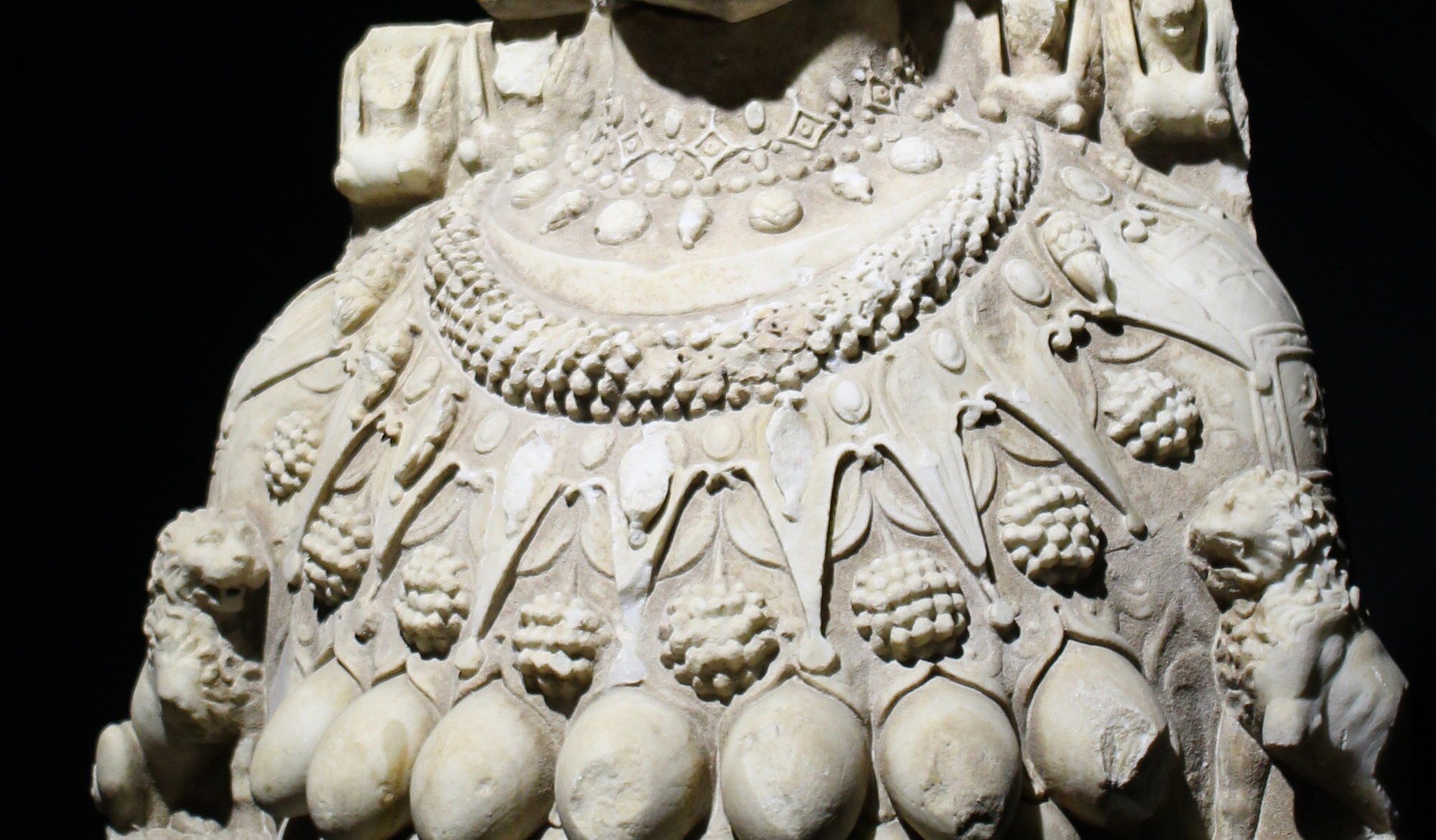
Ephesian Artemis Statue: One of the most iconic pieces in the collection is the statue of the Ephesian Artemis. This multi-breasted goddess, a symbol of fertility and nature, is a unique representation of ancient Greek religion.
Everyday Life Objects: The museum offers a glimpse into the daily lives of the ancient Ephesians through a wide range of objects, including pottery, jewelry, and tools.
Roman Period Artifacts: The Roman era is well-represented in the collection, with exhibits showcasing the city’s transformation under Roman rule.

Why Visit?
Immerse Yourself in History: Explore the rich history of Ephesus and the ancient Mediterranean world.
Discover Artistic Masterpieces: Admire the exquisite craftsmanship of ancient sculptures and artifacts.
Learn About Daily Life: Gain insights into the daily lives of people who lived thousands of years ago.
Appreciate Cultural Diversity: Discover the cultural exchange and influences that shaped the ancient city of Ephesus.

Conclusion
The Ephesus Museum offers a unique opportunity to journey back in time and experience the grandeur of ancient Ephesus. Whether you are a history buff, an art lover, or simply curious about the past, a visit to this museum is well worth your time.

Visiting Ephesus Museum: practical information

The Ephesus Museum stands in the center of the town of Selcuk in Izmir Province, rather than inside the fenced ancient city gate. You can walk to the entrance in a few minutes from the Selcuk train station or the central minibus terminal. Travelers arriving through Izmir Adnan Menderes Airport can take the regional train or a direct car transfer straight to Selcuk, while cruise passengers docking in Kusadasi can reach the town by taxi or private tour vehicle. The museum is open daily year-round under the Ministry of Culture and Tourism, and all indoor halls and garden courtyards are operating normally.

Give yourself an unhurried visit to walk through the thematic rooms in order. Because the galleries are climate-controlled indoors, the museum makes a comfortable midday stop during the hot Aegean summer months when the open-air ruins have little shade, while spring and autumn are ideal for combining the town and the archaeological park. Foreign visitors need a 10 euro entry ticket, which you can buy at the gate or online via the official portal. Both Museum Pass Turkiye and the regional Museum Pass Aegean are accepted here. Check the official site before you go for current hours and prices.

History and what to see

While 19th-century and early 20th-century excavations sent many Ephesian monuments to London and Vienna, the Ephesus Museum opened in 1964 to keep subsequent finds from Ephesus, the Basilica of St. John, and the Cukurici Mound in Selcuk. Instead of following a strict chronological timeline, the museum arranges its rooms thematically by excavation area:

  • Hall of the Ephesus Artemis: This room displays two marble statues of the goddess recovered from the Prytaneion: the tall Great Artemis and the smaller Beautiful Artemis, carved with lions, bees, zodiac symbols, and rows of fertility motifs across the chest.
  • Terrace Houses and House Finds Hall: Artifacts from the hillside Roman villas include the marble Head of Socrates, a bronze snake used in household worship, medical and cosmetic instruments, and an ivory frieze depicting Emperor Trajan facing barbarian captives.
  • Hall of the Fountain Finds: Sculptures recovered from the Fountain of Trajan, the Pollio Fountain, and the Nymphaeum include marble figures of Dionysus, a resting warrior, and the Odyssey group.
  • Emperor Cult Hall and Courtyards: Here you can inspect the monumental head and forearm from the colossal statue of Domitian, busts of Augustus and Livia, and the bronze statue of Eros with a Dolphin.

Nearby places to combine

Because the museum displays the original sculptures and small domestic objects removed from the excavations for safekeeping, visiting it right before or right after the open-air ruins completes the story of the city. All four sites below sit in Selcuk or on the adjacent hills.

  • Ephesus: Walk the marble streets of the main archaeological site first so you can picture the exact fountains, villas, and temples where the museum's statues originally stood.
  • The Temple of Artemis: Stop at the marshy sanctuary plain on the edge of Selcuk to see the single standing column of the Artemision before viewing its votive gold and ivory finds inside the museum.
  • The Celsus Library: Located inside the ancient city, this Roman facade gives architectural context to the inscriptions and elite portraiture housed in the Selcuk galleries.
  • The House of the Virgin Mary: Drive up Bulbuldagi above the ruins to combine classical Greco-Roman archaeology with early Christian history in the same half-day loop.

Comparing Cultural Sites in Selcuk and Ephesus

PlaceTypeTime neededBest forEntry
Ephesus MuseumIndoor archaeological museumn/aOriginal Artemis statues and Terrace House findsTicket
EphesusOpen-air archaeological siten/aWalking ancient Roman streets and civic monumentsTicket
The Temple of ArtemisOpen-air sanctuary ruinn/aSite of the ancient Wonder of the WorldFree
The House of the Virgin MaryMountain shrine and chapeln/aChristian and Muslim pilgrimage on BulbuldagiTicket

Frequently asked questions

Where is the Ephesus Museum located?

The Ephesus Museum is located in the town center of Selcuk, a short drive from the gates of the ancient city of Ephesus. It sits across from the Selcuk tourist information office and within easy walking distance of the Selcuk train station and bus terminal. Many travelers visit it right after finishing their walk through the main ruins.

Is the Ephesus Museum included in the main Ephesus ruin ticket?

No, a standard single ticket for the Ephesus Archaeological Site does not automatically include the Ephesus Museum in Selcuk town. If you buy individual tickets, admission to the Ephesus Museum costs 10 euros for foreign visitors. However, both Museum Pass Turkiye and the Museum Pass Aegean cover entry to the museum as well as the main ruins.

Should I visit the Ephesus Museum before or after the ancient city?

Visiting the open-air ruins of Ephesus in the early morning and going to the Ephesus Museum afterward around midday works best for most travelers. That schedule lets you walk the unshaded marble streets while temperatures are cool and step into the air-conditioned museum halls during the midday heat. Seeing the ruins first also helps you recognize the findspots labeled in each gallery.

What are the most famous artifacts in the Ephesus Museum?

The centerpieces are the two marble statues of the Ephesian Artemis, known as the Great Artemis and the Beautiful Artemis, excavated from the city's Prytaneion. Other major pieces include the marble portrait Head of Socrates, the ivory frieze of Emperor Trajan from the Terrace Houses, and the colossal head of Emperor Domitian. You will also see bronze surgical tools, ancient coins, and fountain sculptures.

Is the Ephesus Museum accessible for strollers and wheelchairs?

Yes, the museum layout in Selcuk is single-level and equipped with ramps connecting the indoor exhibition halls and the central garden courtyard. Unlike the uneven marble paving stones at the ancient ruin site, the smooth indoor floors are easy to navigate with a wheelchair or a stroller. Restrooms and shaded seating are also available on site.

How long does it take to walk through the Ephesus Museum?

The museum has a focused footprint arranged into six main thematic halls and an outdoor courtyard. Most visitors can view every room, read the English display panels, and examine the two Artemis statues at a comfortable pace without feeling rushed. It fits easily into a morning or afternoon itinerary alongside the main ruins.

Sources: en.wikipedia.org, muze.gov.tr

Last reviewed:

Tours that visit Izmir

Ephesus Museum.md