The Temple of Artemis

The Temple of Artemis: One of the Seven Wonders of the Ancient World

A Brief Overview of the Temple of Artemis

The Temple of Artemis, located in the ancient city of Ephesus, was one of the Seven Wonders of the Ancient World. Dedicated to the Greek goddess Artemis, this magnificent structure was admired and revered for centuries.

History and Significance
Construction of the Temple of Artemis began in the 6th century BC and it was considered one of the largest and most magnificent structures of its time. Not only was it a religious center, but it also served as an economic and cultural hub for the city of Ephesus. People from across the ancient world came to Ephesus to visit the temple and offer sacrifices to the goddess.

The temple was destroyed and rebuilt several times throughout history. Its most famous destruction was the work of a man named Herostratus, who set fire to the temple in 356 BC simply to make a name for himself. The event was so notorious that it is still remembered today.

Why Was It So Important?
One of the Seven Wonders of the Ancient World: Its immense size and grandeur earned it a place among the Seven Wonders.

Religious and Cultural Center: It was not just a place of worship but also a hub for religious rituals and cultural activities.
Economic Impact: The temple brought significant wealth to the city of Ephesus.
Architectural Marvel: The temple’s size, materials, and architectural features showcased the advanced construction techniques of the time.

What Remains Today?
Unfortunately, very little of the original temple remains today. Centuries of destruction and natural disasters have taken their toll. However, excavations have revealed enough to give visitors an idea of the temple’s grandeur.

Today, visitors can explore the excavation site, view artifacts in the museum, and learn about the history of the temple.

What Can You Do There?
Explore the Excavation Site: See the remains of the temple and imagine its former glory.
Visit the Museum: Discover artifacts found at the temple and learn more about the site.
Explore Other Ancient Structures: Visit other ancient structures in Ephesus to gain a broader understanding of the city’s history.
Take Photos: The ruins and the surrounding area offer great opportunities for photography.

Why Visit the Temple of Artemis?
Experience History: See the site of one of the Seven Wonders of the Ancient World.
Marvel at Ancient Architecture: Be amazed by the scale and grandeur of the temple.
Discover Ephesus: Learn more about the history of Ephesus and its significance in the ancient world.
Cultural Experience: Learn about the culture of the ancient Greeks.

Conclusion
The Temple of Artemis reflects the ingenuity and creativity of ancient civilizations. Though much of the original structure has been lost to time, its legacy lives on. A visit to the site is well worth it for anyone interested in history, archaeology, or simply the wonders of the ancient world.

Visiting The Temple of Artemis: practical information

The Temple of Artemis lies on the western edge of Selcuk town in Izmir Province, about 60 to 65 kilometers south of Izmir Adnan Menderes Airport. Reaching Selcuk takes 50 to 60 minutes by car along the highway or via the IZBAN commuter rail and regional train. From the Selcuk bus station, the ruins sit a short walk west along Dr. Sabri Yayla Boulevard on the road toward the main Ephesus entrance. Because only foundation blocks and a single reconstructed column stand on site today, most travelers spend 15 to 30 minutes here.

Spring is the most rewarding season to visit, when wildflowers grow around the marshy pit and white storks nest atop the lone column. Early morning or late afternoon provides the best light looking back toward the hillside fortress of Selcuk. Admission to the temple grounds is free of charge, so no entry ticket or Museum Pass Turkiye is needed for this stop. The open-air site is accessible daily during daylight hours with no current closures. Check the official muze.gov.tr website before you go for current hours and ticket prices at the nearby Selcuk museums.

History and what to see

Inscribed as part of the Ephesus UNESCO World Heritage Site in 2015, the sanctuary evolved from an indigenous Anatolian mother-goddess shrine into a monumental marble temple before being raided by Goths in 262 AD and closed around 401 AD. Key historical layers and sights on the ground include:

  • The Archaic Croesus Temple (circa 550 BC): Funded by King Croesus of Lydia and designed by Cretan architect Chersiphron and his son Metagenes, this phase was the first monumental Greek temple constructed entirely of marble.
  • The Hellenistic Wonder: Rebuilt after the 356 BC fire, the final temple was described by Pliny the Elder as 115 meters long and 55 meters wide, supported by 127 Ionic columns rising about 17.5 meters high.
  • The 1869 Rediscovery and Single Column: British architect John Turtle Wood located the buried foundations under river silt in 1869 for the British Museum, where sculpted column drums are now displayed; on site today stands one composite column assembled from surviving drums.
  • Ayasuluk Hill Backdrop: Looking east from the marshy pit frames the 1375 Isa Bey Mosque and the Basilica of St. John, which reused marble blocks taken from the ruined temple.

Nearby places to combine

Because the temple site sits right between downtown Selcuk and the main archaeological park, you can combine it with several major landmarks within a few minutes of travel.

  • Ephesus Museum: Located a short walk away in central Selcuk, this museum is essential for context because it displays the colossal marble statues of Artemis and small votive offerings unearthed from the sanctuary.
  • Ephesus: Situated just down the road from the temple field, the main ancient city lets you walk the marble streets that once connected to the sanctuary via a sacred processional way.
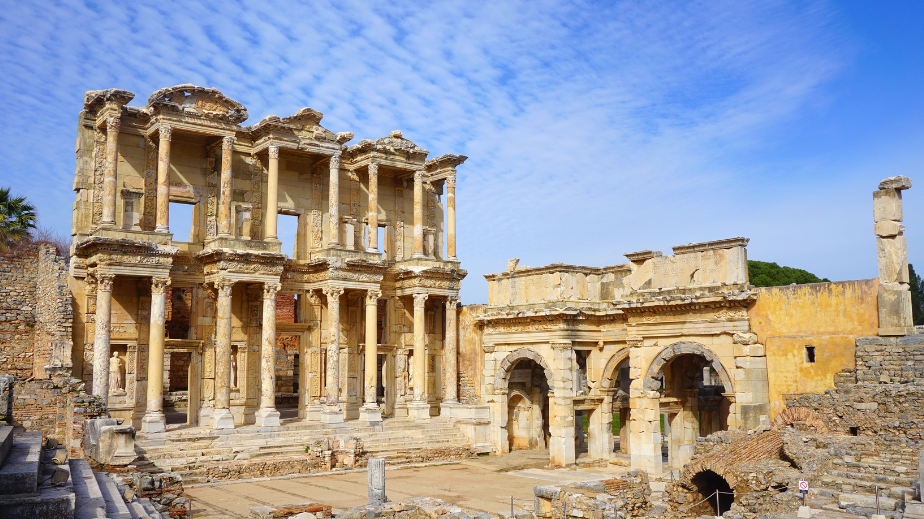
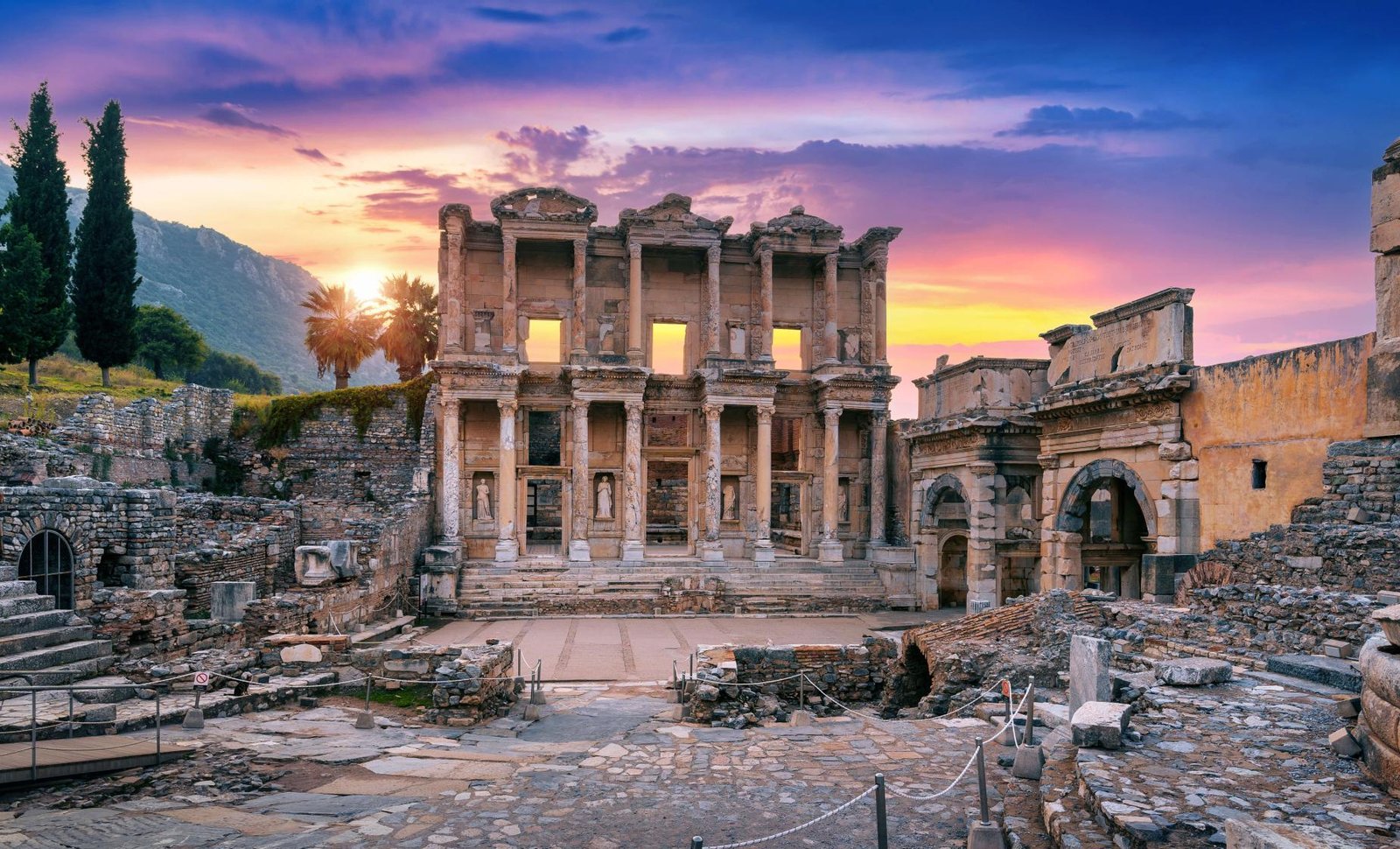
  • The Celsus Library: Standing inside the main Ephesus excavation zone, its reconstructed two-story Roman facade offers a striking architectural contrast to the sparse ruins of the Artemision.
  • The House of the Virgin Mary: Located on Bulbuldagi hill above Selcuk, this stone shrine rounds out a half-day route tracing the region's shift from pagan worship to early Christianity.

The Temple of Artemis vs. nearby Selcuk and Ephesus sites

PlaceTypeTime neededBest forEntry
The Temple of ArtemisAncient sanctuary ruins15 to 30 minutesSeven Wonders history and viewsFree
Ephesus MuseumArchaeological museum1 to 1.5 hoursArtemis statues and excavated findsTicket
EphesusAncient Greco-Roman city2 to 3 hoursMarble streets and major monumentsTicket
The Celsus LibraryRoman library facade20 to 30 minutesReconstructed two-story Roman architectureTicket
The House of the Virgin MaryMountain shrine30 to 45 minutesPilgrimage history and forest settingTicket

Frequently asked questions

Is the Temple of Artemis worth visiting if only one column remains?

Yes, provided you set realistic expectations before arriving. While only a single reconstructed column and scattered marble blocks remain in the marshy field, standing on the exact spot of one of the Seven Wonders of the Ancient World with Selcuk Castle and Isa Bey Mosque in the background is a quick, free stop on the way to Ephesus.

Is there an entrance fee for the Temple of Artemis in Selcuk?

No, visiting the Temple of Artemis site is completely free and does not require a ticket or Museum Pass Turkiye. You will only need tickets for the nearby Ephesus archaeological site and the Ephesus Museum in Selcuk town.

How far is the Temple of Artemis from the main Ephesus ruins?

The temple site sits on the western edge of Selcuk town, just a short drive or a level walk from the Lower Gate of Ephesus. You can easily stop here for 15 to 20 minutes between touring the ancient city and visiting the Ephesus Museum in town.

Where are the original sculptures and columns from the Temple of Artemis kept?

Sculpted column drums and architectural fragments excavated by John Turtle Wood in the 19th century are displayed in the British Museum in London. Cult statues of Artemis Ephesia, gold figurines, and ivory carvings found during later excavations are exhibited nearby at the Ephesus Museum in Selcuk.

How long does a visit to the Temple of Artemis take?

Plan on 15 to 30 minutes at the site. That is enough time to read the informational panels, walk along the viewing path overlooking the foundation pit and single column, and take photographs toward Ayasuluk Hill.

Is the Temple of Artemis site accessible for wheelchairs and strollers?

The roadside viewing area and entrance path are flat and give a clear view of the single column and foundation pit without climbing stairs. Walking closer to the sunken marshy blocks involves uneven grass and dirt paths that can get muddy after winter or spring rain.

Sources: en.wikipedia.org, whc.unesco.org, kulturportali.gov.tr

Last reviewed:

Tours that visit Izmir

The Temple of Artemis.md