The Ephesus Museum stands in the center of the town of Selcuk in Izmir Province, rather than inside the fenced ancient city gate. You can walk to the entrance in a few minutes from the Selcuk train station or the central minibus terminal. Travelers arriving through Izmir Adnan Menderes Airport can take the regional train or a direct car transfer straight to Selcuk, while cruise passengers docking in Kusadasi can reach the town by taxi or private tour vehicle. The museum is open daily year-round under the Ministry of Culture and Tourism, and all indoor halls and garden courtyards are operating normally.
Give yourself an unhurried visit to walk through the thematic rooms in order. Because the galleries are climate-controlled indoors, the museum makes a comfortable midday stop during the hot Aegean summer months when the open-air ruins have little shade, while spring and autumn are ideal for combining the town and the archaeological park. Foreign visitors need a 10 euro entry ticket, which you can buy at the gate or online via the official portal. Both Museum Pass Turkiye and the regional Museum Pass Aegean are accepted here. Check the official site before you go for current hours and prices.
While 19th-century and early 20th-century excavations sent many Ephesian monuments to London and Vienna, the Ephesus Museum opened in 1964 to keep subsequent finds from Ephesus, the Basilica of St. John, and the Cukurici Mound in Selcuk. Instead of following a strict chronological timeline, the museum arranges its rooms thematically by excavation area:
Because the museum displays the original sculptures and small domestic objects removed from the excavations for safekeeping, visiting it right before or right after the open-air ruins completes the story of the city. All four sites below sit in Selcuk or on the adjacent hills.
| Place | Type | Time needed | Best for | Entry |
|---|---|---|---|---|
| Ephesus Museum | Indoor archaeological museum | n/a | Original Artemis statues and Terrace House finds | Ticket |
| Ephesus | Open-air archaeological site | n/a | Walking ancient Roman streets and civic monuments | Ticket |
| The Temple of Artemis | Open-air sanctuary ruin | n/a | Site of the ancient Wonder of the World | Free |
| The House of the Virgin Mary | Mountain shrine and chapel | n/a | Christian and Muslim pilgrimage on Bulbuldagi | Ticket |
The Ephesus Museum is located in the town center of Selcuk, a short drive from the gates of the ancient city of Ephesus. It sits across from the Selcuk tourist information office and within easy walking distance of the Selcuk train station and bus terminal. Many travelers visit it right after finishing their walk through the main ruins.
No, a standard single ticket for the Ephesus Archaeological Site does not automatically include the Ephesus Museum in Selcuk town. If you buy individual tickets, admission to the Ephesus Museum costs 10 euros for foreign visitors. However, both Museum Pass Turkiye and the Museum Pass Aegean cover entry to the museum as well as the main ruins.
Visiting the open-air ruins of Ephesus in the early morning and going to the Ephesus Museum afterward around midday works best for most travelers. That schedule lets you walk the unshaded marble streets while temperatures are cool and step into the air-conditioned museum halls during the midday heat. Seeing the ruins first also helps you recognize the findspots labeled in each gallery.
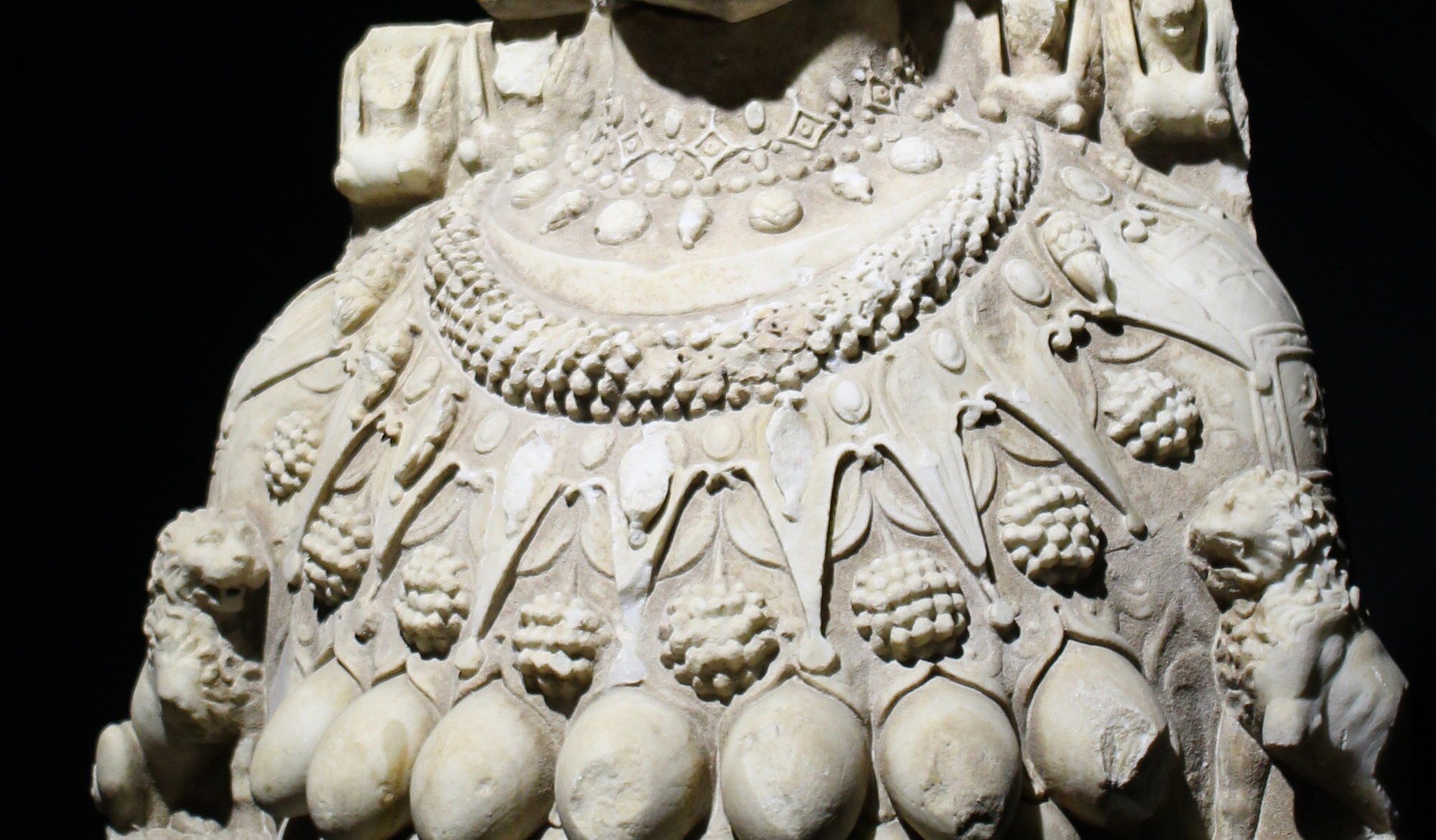
The centerpieces are the two marble statues of the Ephesian Artemis, known as the Great Artemis and the Beautiful Artemis, excavated from the city's Prytaneion. Other major pieces include the marble portrait Head of Socrates, the ivory frieze of Emperor Trajan from the Terrace Houses, and the colossal head of Emperor Domitian. You will also see bronze surgical tools, ancient coins, and fountain sculptures.
Yes, the museum layout in Selcuk is single-level and equipped with ramps connecting the indoor exhibition halls and the central garden courtyard. Unlike the uneven marble paving stones at the ancient ruin site, the smooth indoor floors are easy to navigate with a wheelchair or a stroller. Restrooms and shaded seating are also available on site.
The museum has a focused footprint arranged into six main thematic halls and an outdoor courtyard. Most visitors can view every room, read the English display panels, and examine the two Artemis statues at a comfortable pace without feeling rushed. It fits easily into a morning or afternoon itinerary alongside the main ruins.
Sources: en.wikipedia.org, muze.gov.tr
Last reviewed: