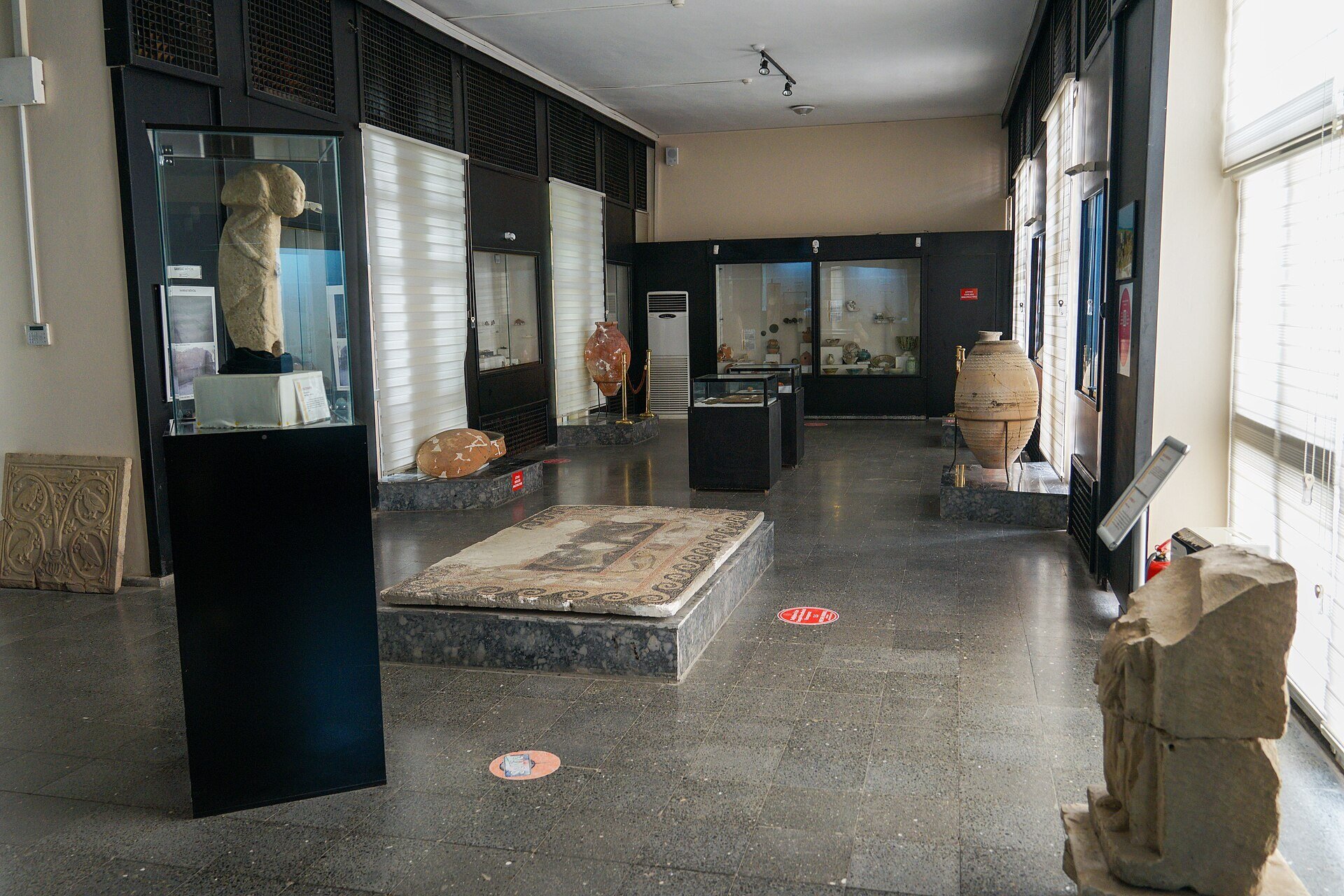
Current status: As of 2025 to 2026, the Adıyaman Museum remains closed to the public following structural damage from the February 6, 2023 earthquakes. The Ministry of Culture and Tourism lists the building as closed on its official portal while restoration work and a new museum project proceed. Check the official muze.gov.tr website before you go for current reopening dates, visiting hours, and ticket prices, or ask us to confirm the latest local status.
The museum sits in the center of Adıyaman on Atatürk Boulevard, making it easy to reach on foot from downtown hotels or by city bus and taxi. Travelers flying into Adıyaman Airport can reach the city center by airport shuttle or taxi in a short drive. Before its closure, the museum accepted Museum Pass Turkiye and took roughly one hour to visit at an unhurried pace. Spring (April to May) and autumn (September to October) bring the mildest weather for walking around central Adıyaman, while summer afternoons can be very hot. Even while the indoor halls are closed, you can still explore the outdoor archaeological sites across the province that the museum directorate oversees.
Archaeological work around Adıyaman accelerated in the late 1970s when rescue excavations began in the Lower Euphrates Basin ahead of the Atatürk Dam project. Artifacts were first stored in the city library in 1978 before moving into the single-story museum building with its central courtyard in 1982. When open, the collection is organized into an archaeological hall, an ethnographic hall, connecting corridors, and a landscaped garden.
Because the museum building in downtown Adıyaman is currently closed, travelers interested in Commagene and Roman history should focus on the open-air sites nearby. The closest stop is Perre Ancient City in the Örenli neighborhood on the northern edge of the city, only about 5 kilometers from Atatürk Boulevard. Here you can walk through hundreds of rock-cut chamber tombs and see the still-flowing Roman fountain in person.
From Perre, continue east into the Kahta district to follow the main Commagene heritage route toward Mount Nemrut. Along the way, stop at Karakus Tumulus to see the restored royal funerary columns of the Commagene queens, and walk across the pedestrianized Roman arch of Cendere Bridge over the Chabinas gorge. Just further up the valley, Arsameia Ancient City displays monumental Greek inscriptions and handshake reliefs in their original hillside setting, giving you the outdoor context for the artifacts cataloged by the museum.
| Place | Type | Time needed | Best for | Entry |
|---|---|---|---|---|
| Adıyaman Museum | Archaeological and ethnographic museum | 45-60 mins (currently closed) | Samosata and Neolithic rescue finds | n/a |
| Perre Ancient City | Rock-cut necropolis and Roman fountain | 45-60 mins | Easy access from central Adıyaman | Ticket |
| Arsameia Ancient City | Commagene summer capital and reliefs | 45-60 mins | Monumental steles and Greek inscription | Free |
| Karakus Tumulus | Royal burial mound and columns | 20-30 mins | Quick roadside stop and photography | Free |
| Mount Nemrut | UNESCO summit tomb sanctuary | 2-3 hours | Colossal statues at sunrise or sunset | Ticket |
No, the Adıyaman Museum is currently closed due to damage caused by the February 6, 2023 earthquakes. The Ministry of Culture and Tourism is working on restoration and a new museum project in the city. Check the official muze.gov.tr website before your trip to see if a reopening date has been announced.
The museum is located right on Atatürk Boulevard in the center of Adıyaman. You can walk there easily from central hotels or take a short taxi or city bus ride from anywhere in town. From Adıyaman Airport, taxis and airport shuttles connect directly to Atatürk Boulevard.
The collection is best known for its rescue excavation finds from Samosata and the Lower Euphrates Basin, including the sculpted head of Commagene King Antiochos I and a Roman relief of Jupiter Dolichenus. It also holds a 9,500-year-old Neolithic limestone figurine from Kahta-Kilisik and a large hoard of Hellenistic, Roman, and Islamic coins.
When the museum is open, visitors typically spend 45 to 60 minutes exploring the single-story building and its courtyard garden. History enthusiasts reading the detailed panels on the Atatürk Dam rescue excavations may want up to 90 minutes.
Yes, as an official museum under the Ministry of Culture and Tourism, it accepts Museum Pass Turkiye when open. While the building remains closed for post-earthquake work, ticket sales are suspended. Check the official ministry portal for updated admission fees once it reopens.
You can visit Perre Ancient City just 5 kilometers north of the city center to see rock-cut Roman tombs and an active ancient fountain. You can also take a half-day or full-day drive east to the Kahta district to visit Karakus Tumulus, Cendere Bridge, Kahta Castle, Arsameia Ancient City, and Mount Nemrut, all of which are open.
Sources: muze.gov.tr, en.wikipedia.org, tr.wikipedia.org, adiyaman.ktb.gov.tr
Last reviewed: