Cesme

Çeşme: A Gem of the Aegean

A Historical and Cultural Journey

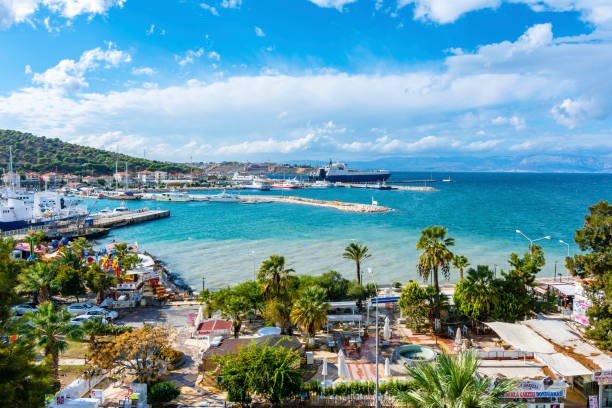
Çeşme is a well-known holiday destination, in Turkey and abroad. With its coastline on the Aegean Sea, rich historical heritage and lively atmosphere, Çeşme has drawn visitors for centuries. Below we look at its history, attractions and current state.

History
Çeşme’s history dates back to 1000 BC. Known as Erythrai in ancient times, it was a significant city in the Ionian region. The city has been home to various civilizations, including the Romans, Byzantines, and Ottomans. The name “Çeşme” translates to “fountain” and refers to the numerous springs in the area that provided fresh water for sailors.

Why Visit?
Historical and Cultural Richness: Ancient ruins, historical buildings, and museums offer a glimpse into the past.
Natural Beauty: The crystal-clear waters of the Aegean Sea, golden sandy beaches, and lush greenery create a serene environment.
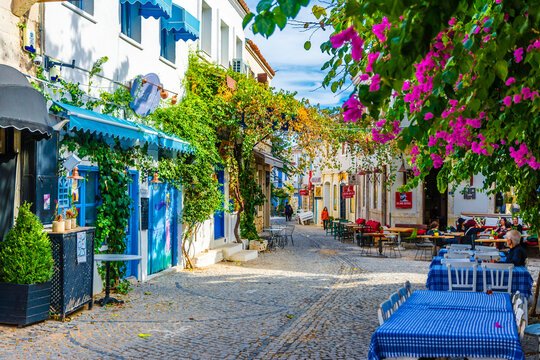
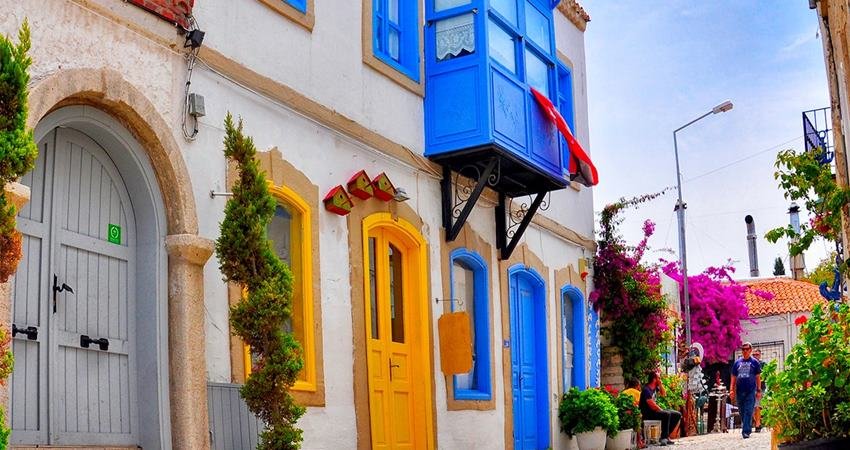
Traditional Aegean Lifestyle: Stone houses, windmills, and local markets provide an authentic experience.
Water Sports and Activities: Enjoy windsurfing, sailing, diving, and other water sports.
Nightlife: Experience the lively nightlife in towns like Alaçatı.

Top Attractions
Çeşme Castle: Built in the 16th century, this castle is a fine example of Ottoman architecture. The on-site museum houses archaeological artifacts.
Ancient City of Erythrai: Dating back to the 10th century BC, this ancient city features a theater, temple, and agora.
Alaçatı: Famous for windsurfing, Alaçatı is charming with its stone houses, boutique hotels and restaurants.
Ilıca: Known for its thermal waters, Ilıca is a popular destination for health and wellness tourism.
Çeşme Marina: This luxurious marina is home to many yachts and offers fine views.
Çeşme Caravanserai: This historic caravanserai has been converted into a hotel.

Çeşme Today
While Çeşme has become a modern resort town, it has preserved its historical and cultural heritage. It is a popular destination for both local and international tourists, especially during the summer months.

Conclusion
Çeşme combines history, nature and modern amenities. Whether you want to explore ancient ruins, relax on the beach or enjoy the nightlife, Çeşme has something for everyone.

Visiting Cesme: practical information

Cesme occupies the western tip of the peninsula, roughly 95 kilometers from Izmir Adnan Menderes Airport along the O-32 highway. Driving or taking the airport shuttle takes between 60 and 75 minutes, while intercity buses connect the town with Izmir's Uckuyular terminal throughout the day. Set aside three to four hours to explore the downtown fortress, harbor, and historic inn, or plan a full day if you include the coastal ruins at Ildiri village and a swim at Ilica.

May, June, September, and October offer comfortable temperatures for climbing the castle ramparts without the heavy traffic of midsummer weekends. Morning is the best time to tour the fortress before midday heat builds on the exposed stone bastions. Walking the waterfront and visiting the ruins of Erythrai are free, while entering the museum inside Cesme Castle requires a ticket. Museum Pass Turkiye and Museum Pass The Aegean are both valid at the castle gate. Both the fortress and its museum galleries are currently open daily without structural restrictions. Check the official muze.gov.tr site before you go for current hours and foreign visitor ticket prices.

History and what to see

Strategic harbor defenses and ancient Ionian settlements shaped the peninsula long before it became a summer resort. Beyond the marina and beaches, several specific historical landmarks anchor a visit:

  • Cesme Castle and Admiral Statue: Commissioned in 1508 under Sultan Bayezid II by Aydin Governor Mir Haydar, this rectangular fortress has six bastions and was placed on the UNESCO World Heritage Tentative List in 2020. Outside the main gate stands a bronze statue of 18th-century Ottoman Admiral Cezayirli Hasan Pasha beside his tamed lion.
  • Cesme Museum: Opened inside the castle in 1965 and reorganized as an archaeology museum in 1984, its halls display terracotta figurines from Erythrai, Bronze Age pottery and wine-making equipment from the nearby Baglararasi excavation, and cannonballs and maps from the 1770 naval Battle of Cesme.
  • 1528 Caravanserai: Built during the reign of Sultan Suleiman the Magnificent near the castle walls, this two-story stone merchant inn surrounds a rectangular courtyard.
  • Ancient Erythrai at Ildiri: Located about 22 kilometers northeast of downtown Cesme, this Ionian city was the seat of the Erythraean Sibyl and retains a hillside theater and acropolis foundations.

Nearby places to combine

Cesme sits at the end of the O-32 highway, making it easy to pair with neighboring peninsula stops or historic sites back in central Izmir.

  • Alacati: Located just a short drive east along the peninsula road, this inland town is the most natural afternoon pairing for lunch in the stone quarter, visiting the Pazar Yeri Mosque, or watching windsurfers on the southern bay.
  • Izmir Clock Tower: Located in central Izmir at Konak Square, this 1901 monument makes a practical stopover when driving back from the peninsula toward the city center.
  • Kadifekale: Also in central Izmir, this hilltop citadel pairs thematically with Cesme Castle, allowing visitors to compare a 16th-century Ottoman coastal fortress with an ancient Hellenistic and Byzantine acropolis overlooking Izmir Bay.

Cesme compared with nearby Aegean and Izmir stops

PlaceTypeTime neededBest forEntry
CesmeHarbor town and fortressHalf to full day1508 castle, museum, and coastFree
AlacatiHistoric stone townHalf to full dayCobblestone alleys and windsurfingFree
KadifekaleAncient hilltop citadel45 to 60 minutesPanoramic bay views and cisternFree
Izmir Clock TowerOttoman monument20 to 30 minutesArchitecture and city orientationFree

Frequently asked questions

Is Cesme worth visiting for history as well as beaches?

Yes, beyond its sandy coves and thermal springs, the town preserves a complete 1508 Ottoman fortress, a 1528 imperial caravanserai, and an archaeological museum. Driving 22 kilometers northeast to Ildiri also lets you walk through the Ionian ruins of Erythrai overlooking the Aegean.

Does Museum Pass Turkiye cover Cesme Castle?

Yes, both Museum Pass Turkiye and Museum Pass The Aegean are accepted at the Cesme Museum inside Cesme Castle. If you do not hold a pass, you can purchase an individual admission ticket at the castle entrance booth.

How long does it take to visit Cesme Castle and the town center?

Touring the castle ramparts and its museum rooms takes about 60 to 90 minutes. Adding a walk to the 1528 Caravanserai and lunch along Cesme Marina brings the downtown visit to three or four hours.

How do I travel between Izmir and Cesme?

Cesme is about 95 kilometers west of Izmir Adnan Menderes Airport along the O-32 toll highway, taking 60 to 75 minutes by car or airport shuttle. Frequent coaches also run from Izmir's Uckuyular bus terminal directly to the Cesme bus station.

When is the best time of year to visit Cesme?

Late May, June, and September provide warm sea water for swimming and sunny weather for sightseeing without the intense heat and traffic of July and August. In winter, the castle and town remain open and quiet, though most beach facilities close.

Is Cesme Castle accessible for visitors with limited mobility?

The lower courtyard of the castle is reachable via a sloped entrance, but reaching the upper bastions and several museum halls requires climbing stone stairs and walking over uneven masonry. The nearby waterfront promenade and Cesme Marina are completely flat and wheelchair friendly.

Sources: en.wikipedia.org, en.wikipedia.org, muze.gov.tr, whc.unesco.org

Last reviewed:

Tours that visit Izmir

Cesme.md