Cappadocia, a region in central Turkey, is renowned for its otherworldly landscapes, fairy chimneys, and ancient history. Among the various tours available, the Red Tour is a favorite for those looking to explore the heart of this unique region. Here’s a glimpse into what the Red Tour offers:
Göreme Open-Air Museum
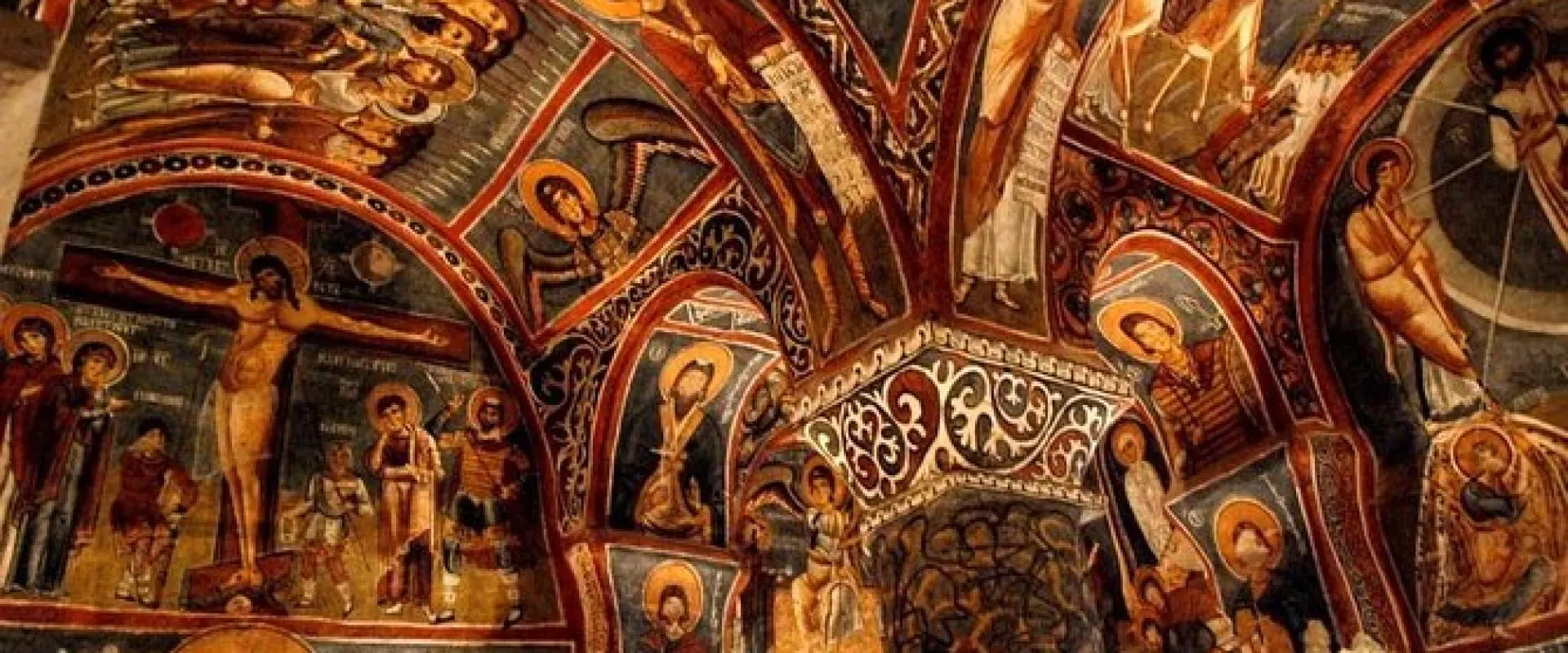
The first stop on the Red Tour is the Göreme Open-Air Museum, a UNESCO World Heritage site. This area is home to numerous rock-cut churches and monasteries, some dating back to the 10th century. The frescoes adorning the walls of these ancient structures provide a vivid insight into Byzantine art and history. The museum offers a fascinating look into the religious life of the early Christians who once inhabited the region.
Uchisar Castle
Next, the tour takes you to Uçhisar Castle, the highest point in Cappadocia. This natural rock fortress offers a panoramic view of the surrounding valleys. The castle itself is a marvel of ancient architecture, carved from a massive rock formation. Climbing to the top provides not only sweeping views but also a sense of the strategic importance of this location in historical times.
Love Valley
The Red Tour continues with a visit to Love Valley, known for its distinctive rock formations that resemble giant phallic symbols. This unique landscape is the result of millions of years of erosion. Walking through the valley, you’ll be captivated by the bizarre yet beautiful natural sculptures that make this place one of Cappadocia’s most photographed sites.
Avanos: Pottery and Crafts
A stop at the town of Avanos introduces you to Cappadocia’s rich tradition of pottery. Situated along the Kızılırmak River, Avanos has been a center of pottery production since Hittite times. You can visit a local pottery workshop to see artisans at work and even try your hand at the pottery wheel. This town is also a great place to purchase handmade ceramics as souvenirs.
Paşabağ (Monks’ Valley)
Paşabağ, also known as Monks’ Valley, is another highlight of the Red Tour. Here, you’ll find some of the most impressive fairy chimneys in Cappadocia. These tall, conical rock formations were once home to hermit monks, who carved out small chapels and living quarters within the rocks. Exploring Paşabağ gives you a sense of the solitude and devotion of these early Christian monks.
Devrent Valley (Imagination Valley)
The tour concludes with a visit to Devrent Valley, often called Imagination Valley due to the whimsical shapes of its rock formations. Unlike other valleys, Devrent doesn’t have any cave churches or dwellings. Instead, its appeal lies in the natural sculptures that resemble various animals and figures. It’s a place where you can let your imagination run wild, seeing shapes in the rocks that may remind you of camels, seals, and other creatures.
Conclusion
The Red Tour of Cappadocia offers a comprehensive journey through the region’s most iconic and historical sites. From ancient churches and castles to unique valleys and pottery workshops, this tour offers a wide range of experiences that highlight the natural beauty and cultural heritage of Cappadocia. Whether you’re a history enthusiast, a nature lover, or simply someone looking to explore a unique part of the world, the Red Tour is sure to leave you with unforgettable memories.
What to Know on the Day of Your Cappadocia Red Tour
All major stops along the northern Goreme Open-Air Museum and valley route are open to visitors, though individual rock-cut chapels occasionally close for routine conservation. Check the official ministry portal before you go for current hours, site status, and prices. Under current state ticketing rules, standard entry to the Goreme complex is 20 euros, while Pasabag shares a combined 12-euro admission ticket with neighboring Zelve. Both tickets are included in the three-day Museum Pass Cappadocia, priced at 65 euros for international visitors. Note that the Dark Church (Karanlik Kilise) inside the Goreme complex requires an extra supplementary ticket at the inner gate even if you hold the regional pass.
Keep these practical details in mind during your day on the route:
- Photography rules: Flash and indoor photography are strictly banned inside the painted Byzantine churches to protect the 10th to 12th century fresco pigments.
- Footwear and footing: Climbing the exterior tunnels of Uchisar Castle and walking among the twin- and triple-capped chimneys of Pasabag involves steep rock-cut stairs and loose volcanic grit. Wear closed shoes with reliable traction.
- Workshop purchases: In Avanos, ask potters whether a piece is red earthenware from the Kızılırmak River clay beds or painted quartz ware, and confirm shipping insurance before buying heavy items.
Planning Your Route, Timing and Tour Combinations
Because the Cappadocia Red Tour concentrates on the compact northern valleys of the UNESCO World Heritage zone inscribed in 1985, driving intervals between stops are short. However, the route draws heavy mid-morning crowds from large tour buses. Starting your day right when state archaeological sites open at 08:00 allows you to walk through the monastic refectories and chapels in relative quiet before group departures arrive after breakfast. If you book a private guide and driver, you can also reverse the standard sequence by visiting the open valleys in the morning light and saving indoor pottery demonstrations for the hotter midday hours. Ask us to confirm the exact pickup times for your hotel location.
Standard northern itineraries do not include a subterranean settlement, since the deep multi-level shelters lie further south. If you only have a single full day in the region, book the Highlight of Cappadocia - Red Tour + Underground City option to pair the northern valleys with an underground complex in one schedule. Travelers with two or three days should reserve the northern circuit for their first day to get oriented to the volcanic geology, and save the southern canyon hikes or the troglodyte settlement at Zelve for the second day.
Frequently asked questions
Does the Cappadocia Red Tour include an underground city?
The classic northern Red Tour focuses on surface rock-cut monasteries, viewpoints, and fairy chimney valleys rather than underground cities. Deep subterranean settlements such as Kaymakli and Derinkuyu are located to the south and are normally visited on the Green Tour. If you have limited time, you can book a combined private itinerary that adds an underground city to the northern stops.
Are entrance tickets included in the Museum Pass Cappadocia?
Yes, the three-day Museum Pass Cappadocia covers admission to the state-managed stops on this route, specifically the Goreme Open-Air Museum and the Pasabag archaeological site. However, the Dark Church inside the Goreme complex requires an additional ticket at the entrance regardless of whether you hold the pass. Open landscape viewpoints like Devrent Valley and Love Valley do not require state museum tickets. Check the official muze.gov.tr website before your trip for current euro and lira ticket tariffs.
How much walking is required on the Red Tour?
The route involves moderate walking in short segments rather than a continuous long-distance hike. You will encounter uneven volcanic stone paths, inclines at the Goreme Open-Air Museum, and steep rock-hewn steps if you climb to the top of Uchisar Castle. Comfortable closed-toe walking shoes, sun protection, and water are recommended from spring through autumn.
Can I do the Red Tour on the same day as a sunrise hot air balloon flight?
Yes, the schedule works well after a morning balloon flight because dawn excursions return to local hotels in time for breakfast. Most daytime tours depart later in the morning after balloon passengers have rested and eaten. Ask us to confirm the exact pickup times for your hotel when scheduling both activities on the same day.
Sources: whc.unesco.org, muze.gov.tr, kulturportali.gov.tr, en.wikipedia.org
Last reviewed: